
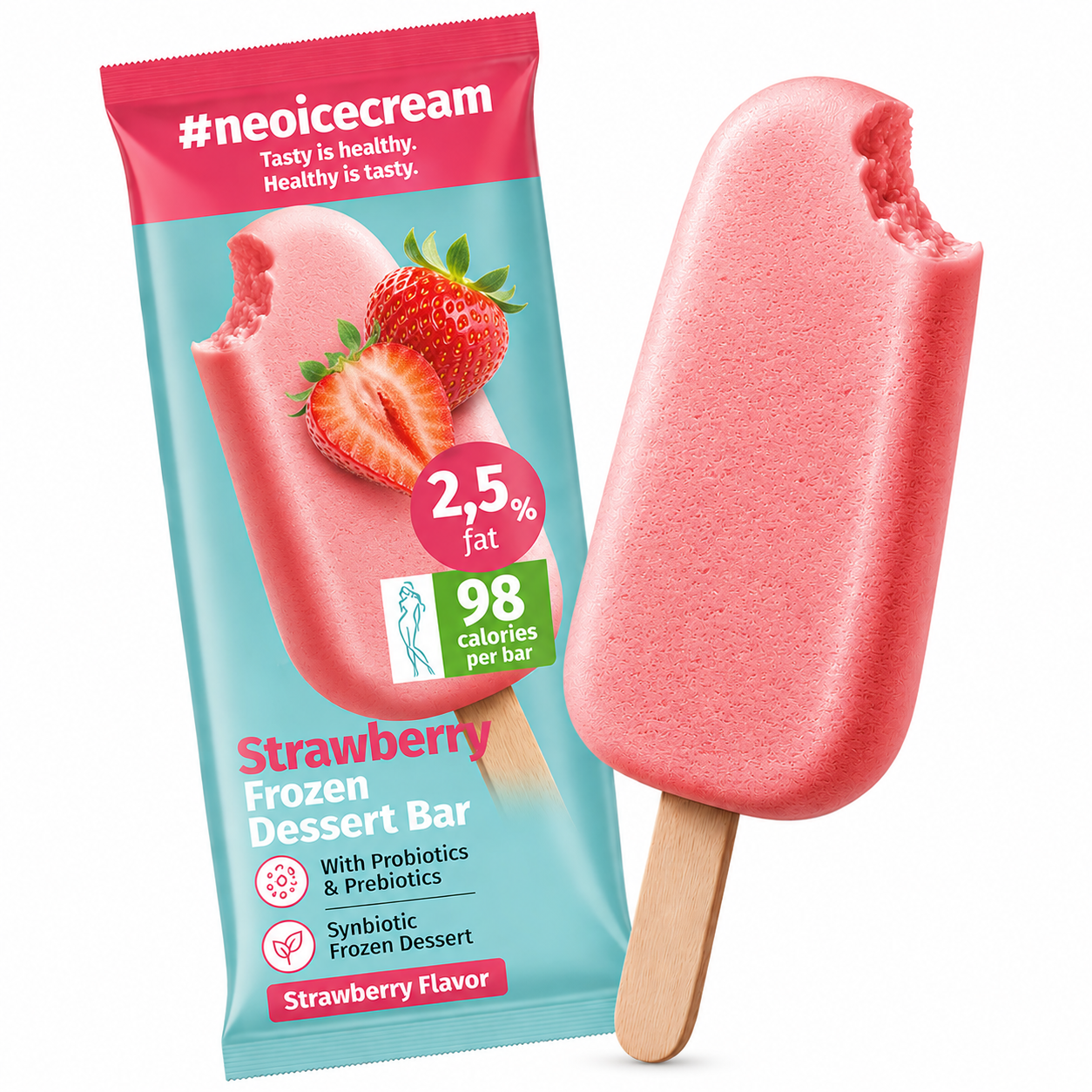
Live cultures can be part of a frozen dessert formula, but their presence raises practical questions about ingredients, processing, storage, measurement, and responsible communication.
What “live cultures” means here
The phrase refers generally to selected microorganisms incorporated into the product direction. It does not by itself state a quantity, survival level at the end of shelf life, or health effect. Those are separate questions that require specifications and evidence.
The frozen environment
Freezing slows biological activity and can stress cells. Results can vary by strain, formula, freezing profile, storage temperature, and time. A culture that is present when mixed may not remain at the same level through production and distribution.
Formulation is a complete system
Acidity, water, sugars, proteins, fat, solids, and other ingredients affect both dessert quality and the environment around cultures. Developers also need to protect texture, flavor, food safety, and manufacturability. No single ingredient can be evaluated in isolation.
Validation before numbers
Any statement about counts or stability should be tied to defined methods, production samples, storage conditions, and a specific point in shelf life. NEOICECREAM does not publish guaranteed culture counts because final product validation has not been completed.
Dessert-first communication
Consumers should be able to understand the product without decoding a science lecture. NEOICECREAM leads with a taste-led frozen dessert bar and describes live cultures carefully as part of the development direction, without medical or therapeutic claims.
Where to go next
To understand how this thinking fits the developing brand, explore the product concept, read answers about live cultures.