
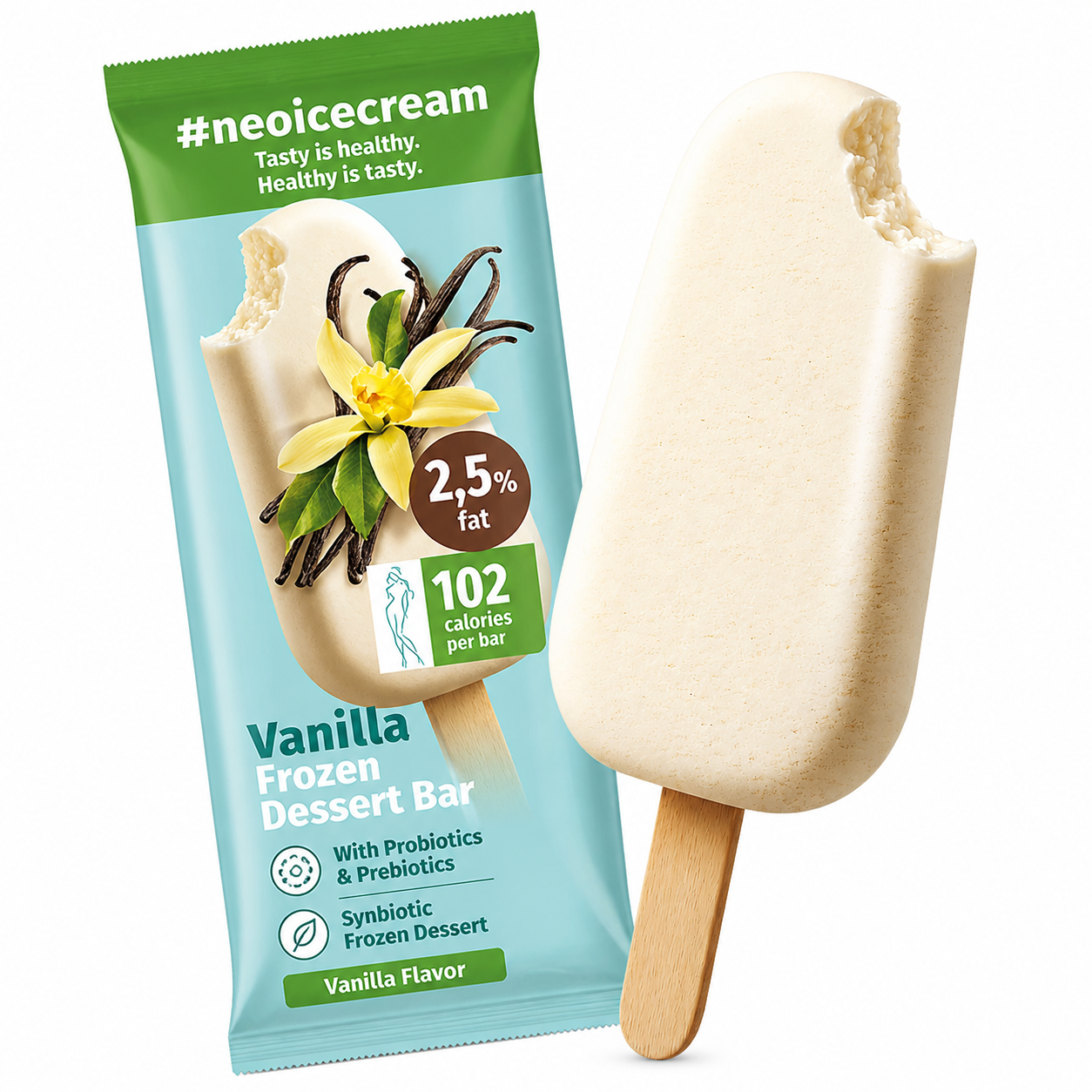
Many people want dessert to remain enjoyable while fitting more comfortably into an ordinary day. That creates room for frozen options built around lighter portions and thoughtful formulation.
The appeal of everyday flexibility
A calorie-conscious dessert can offer a different occasion from a large, rich serving. The goal is not to label indulgence as bad; it is to give shoppers another clearly explained option when they want something lighter.
Portion and formulation work together
Calories per serving depend on both the formula and the amount eaten. A bar establishes a unit, while ingredient choices shape its energy, taste, and texture. Responsible comparison requires the final serving weight and verified Nutrition Facts—not assumptions from appearance.
Lower-calorie should still taste like dessert
Consumers notice flavor balance, creaminess, bite, aftertaste, and melt before they analyze a positioning statement. Product development must protect those sensory qualities or the nutritional direction will not create a compelling repeat experience.
No universal definition of “better”
A product can be a useful alternative for one shopper and irrelevant to another. Allergens, dietary preferences, ingredients, serving size, and personal goals differ. Clear labels help people decide; broad promises do not.
Where NEOICECREAM fits
NEOICECREAM is being developed in a lower-calorie and low-fat direction with bars as the lead format. The language remains directional until a commercial formula, serving size, process, and label have been validated.
Where to go next
To understand how this thinking fits the developing brand, explore the product direction, see the flavor directions.