
Pilot production is the controlled step between promising development samples and a repeatable commercial process. It turns assumptions into observations and a concept into a more useful manufacturing brief.
Bench success is not line success
Equipment introduces different mixing forces, hold times, temperatures, freezing rates, and transfer steps. A formula that works in a small batch can change when made on pilot equipment. The goal is to understand those changes before a full commercial commitment.
Validating the process
A pilot run can define ingredient order, hydration, pasteurization or other heat treatment where applicable, cooling, culture addition, freezing, forming, hardening, and packaging. The exact process depends on the final formula and qualified facility.
Testing bar execution
For bars, teams can evaluate deposit or fill weight, stick position, release, breakage, surface finish, coatings if used, wrapper seals, and throughput. These details affect quality, cost, and whether the product can be made consistently.
Learning about shelf life
Samples from representative runs support sensory, physical, microbiological, packaging, and temperature-abuse evaluation. Shelf-life decisions should rely on an appropriate study plan rather than a guess based on category norms.
Improving commercial readiness
Pilot data helps refine yields, labor, losses, ingredient needs, case configuration, storage, and shipping assumptions. It also gives manufacturing partners a clearer basis for discussing capabilities, minimum runs, costs, and open risks.
What it means for NEOICECREAM
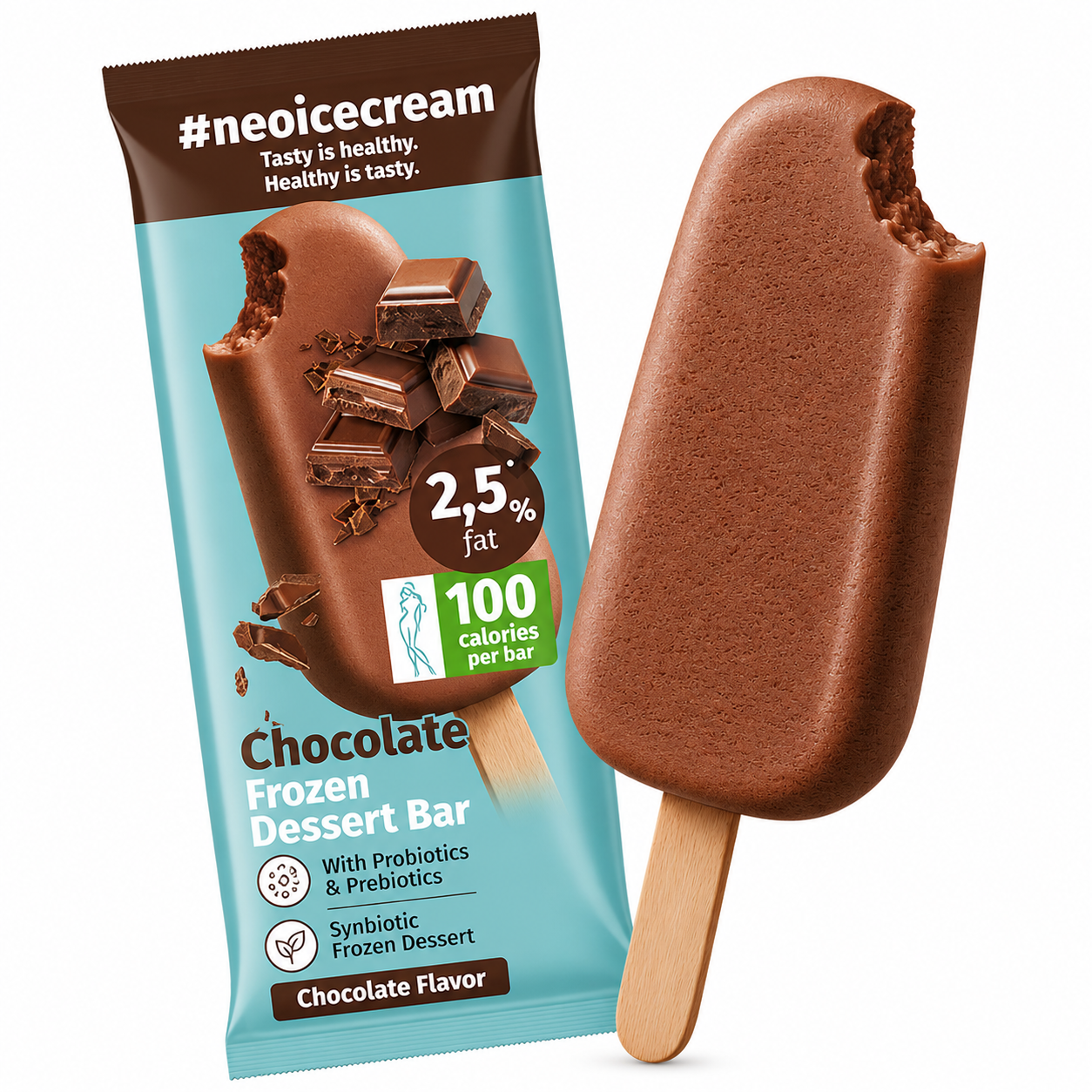
NEOICECREAM is preparing for a pilot-production pathway; this is not a statement that commercial production or retail launch is confirmed. Strategic manufacturing conversations should focus on fit, validation needs, and the next evidence-producing run.
Where to go next
To understand how this thinking fits the developing brand, start a manufacturing conversation, explore the product concept, read the FAQ.