
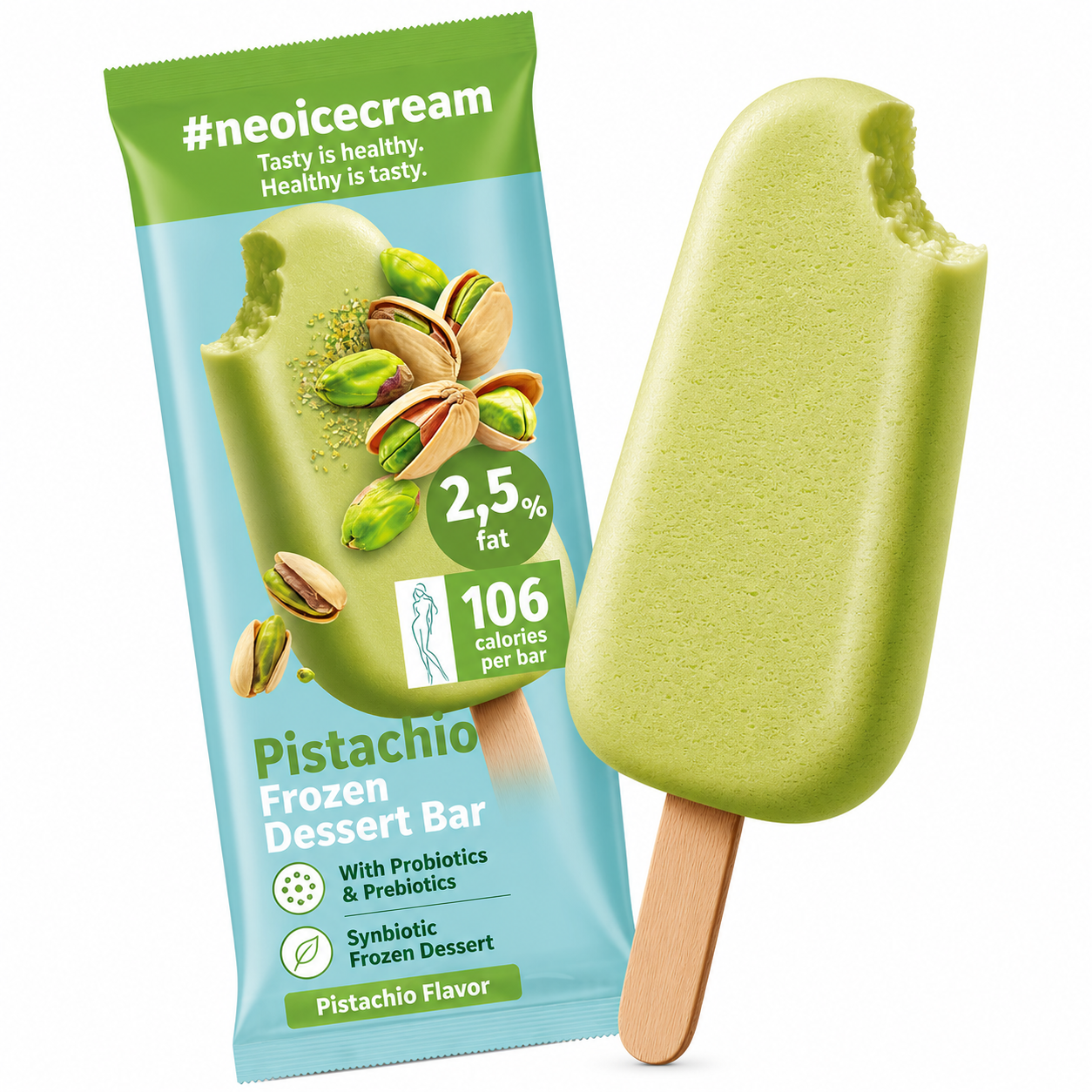
Fat helps create richness, body, and a slower melt in many frozen desserts. Developing a lower-fat option means rebuilding that experience through the complete formulation rather than merely removing one ingredient.
What “low-fat” should communicate
In the United States, nutrient-content claims are regulated and must be supported by the finished product and serving size. Until a commercial formula is validated, “low-fat” is best understood here as a development direction—not a final Nutrition Facts statement or package claim.
Why fat changes texture
Fat influences lubrication, flavor release, structure, and the perception of creaminess. Reducing it can make a frozen product feel harder, icier, thinner, or quicker to melt. Recipe balance, processing, freezing rate, and storage conditions all become important tools for restoring a satisfying experience.
Lower fat and calories are related, not identical
Fat is energy-dense, so changing fat levels can affect calories. But total calories also depend on sugars, proteins, other carbohydrates, serving weight, and every ingredient in the formula. A lower-fat direction should not be treated as proof of a particular calorie result.
Why the bar format helps
A bar provides a defined unit and a consistent consumer experience. It can make portion size easier to understand and lets developers tune the coating, body, bite, and melt for one format. Final serving and nutrition information still need to come from the validated commercial product.
NEOICECREAM’s development language
NEOICECREAM is being developed toward lighter indulgence with taste at the center. Public wording uses “direction,” “concept,” and “being developed” because formulation, pilot production, shelf-life work, and labeling review still determine the final product facts.
Where to go next
To understand how this thinking fits the developing brand, explore the product concept, read the FAQ.